History, Culture, and Traditions of the Roma
Origins and Migrations
Studying the history of the Roma (Gypsies), researchers often encounter problems related to the lack of written records about their distant past. Nevertheless, through collecting facts, comparing various conclusions, and interpreting the cultural-historical context, three main versions regarding the emergence of the Roma are constructed, as well as a general idea of their uniqueness, culture, lifestyle, customs, traditions, folklore, crafts, and value system.
First Version: According to the accounts of the Arab historian Hamza from Isfahan (9th century) and the Persian poet Ferdowsi, author of "The Book of Kings", the Roma descend from a group of Indian musicians and their families sent to the Persian king Bahram Gur (420–440 AD) for entertainment. After some time, they leave the country and begin to wander the world.
Second Version: Historical data suggests that the first Roma presence in the Balkans dates back to the 9th to 11th century, during the Byzantine Empire. This is based on mentions of Gypsies in Byzantium, such as in "The Life of St. George of Athos" (around 1100 AD).
Third Version (Semi-Legendary): According to legend, the Roma come from Ancient Egypt. One of the pharaohs noticed that a tribe among his people was lazy, cunning, and thieving, so he loaded them onto ships and "gifted" them to the British king as slaves. Since they were from Egypt, the English called them "gypsies" (from Egyptians), and subsequently "gypsies".
Current and International Status
The Roma are a people with no clearly documented past and without an official state. Despite numbering over 10 million worldwide, they are not recognized as a nation by the UN. On April 8, 1971, the first Roma Congress was held in London. In 1979, the UN High Commissioner in Geneva rejected the request of the International Roma Organization (IRU) for recognition of the Roma nation, but recognized the flag, the anthem "Djelem, Djelem" and April 8 as the international day of the Roma.
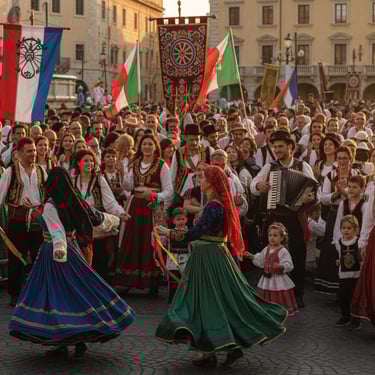
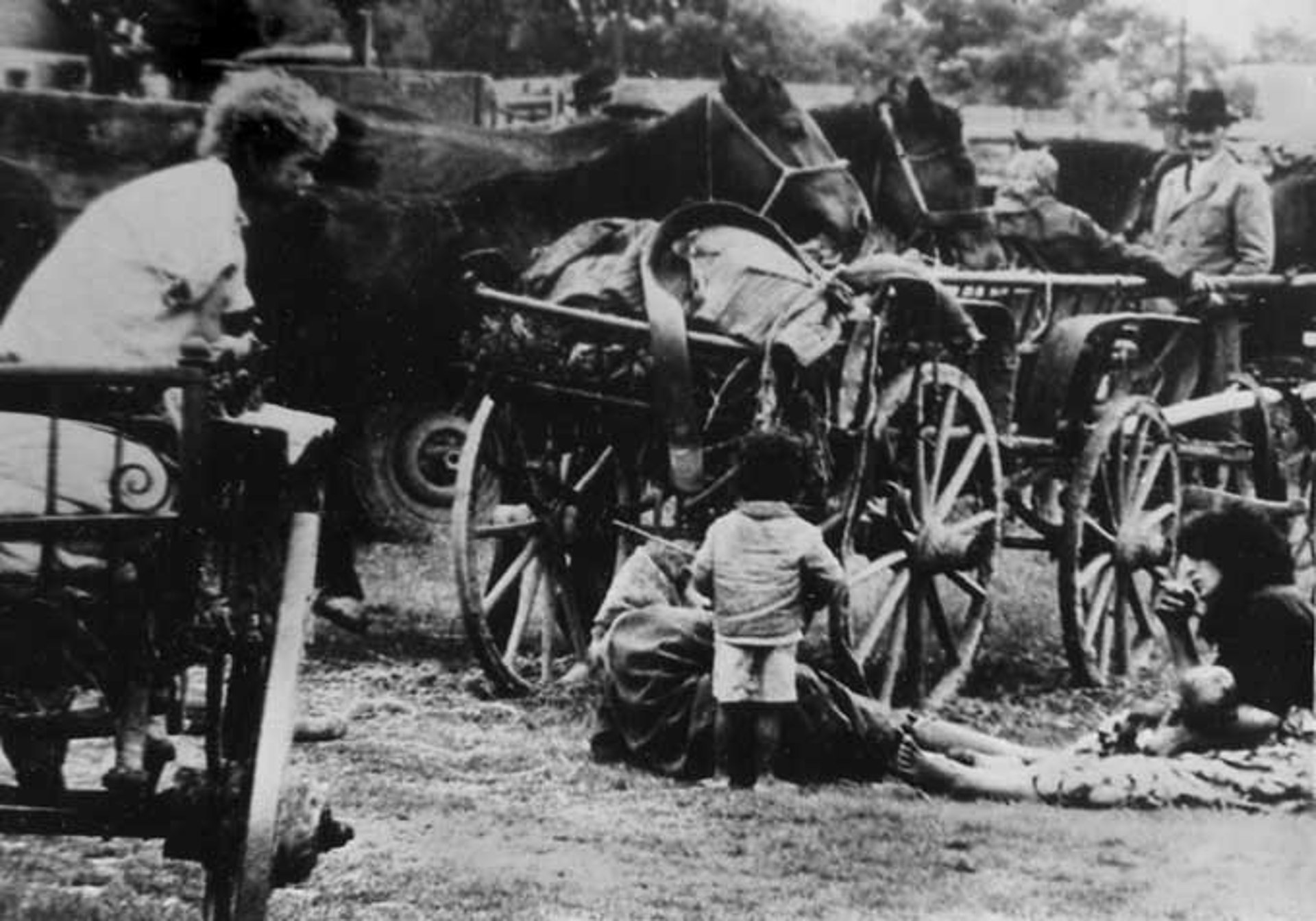
The Roma have preserved their culture, traditions, customs, and crafts dating back to ancient times. They are known for their musical and dance skills, their commercial acumen, and craftsmanship.
Way of Life and Customs
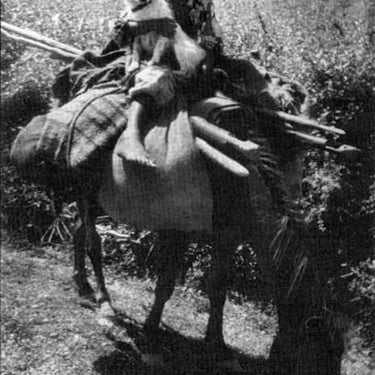
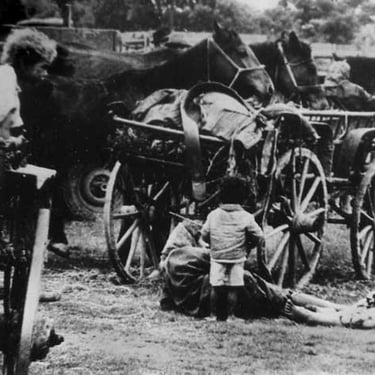
The Roma are traditionally a nomadic people. They often marry young (13–15 years old), and in the past, the bride and groom would meet for the first time on their wedding day. Roma girls are known for their loyalty to their fathers and for maintaining their virginity until marriage. Some communities practice "bride theft" as part of traditional rituals.
The Roma are a peace-loving people who have historically not waged wars against other nations. They coexist by their unwritten laws and principles that govern relationships within the community.
Crafts and Labor
The traditional livelihoods of the Roma include coppersmithing, tinsmithing, basket making, bear handling, broom making, comb making, spinning, and musical camps. With the arrival of totalitarian communist regimes in Eastern Europe after 1944, the Roma were forced to abandon their nomadic lifestyle and settle down. This led to a lack of education and qualifications, often making them the cheapest and heaviest labor force ("builders of socialism"). After the democratic changes in 1989, the Roma were the first to lose their jobs, while inherited typicality limited the interest of the younger generation in education.
Holidays
In Bulgaria, there are 347 Roma neighborhoods and districts. The Roma celebrate religious holidays according to their faith, but they pay special respect to:
Bango Vasiliy (Lame Vasiliy, New Year) – January 14
International Romani Day – April 8
St. George's Day (Ederlezi, Hederlezi) – May 6
Assumption of the Virgin Mary – August 15 (small), August 28 (big)
In Stara Zagora, the international Romani festival "Romafest" for music and dance is held annually.
Traditions and Folklore
Since the early settlement of the Roma in Europe (14th-18th century), they have maintained their autonomy – to be judged only by their leaders. The Roma court (Meshere, Romano Kris) resolves disputes within the community through financial penalties, compensations, and agreements. Judges are chosen from among respected Roma.
Basic principles of the Roma:
Roma should not steal from one another
Roma do not slander others
Mutual aid and solidarity are mandatory
The Roma have no written language but speak Romani, which allows them to communicate worldwide. There are numerous subgroups that define their cultural, social, domestic, and economic practices.
Media and Information
RIA Defacto is the first and only Roma information agency in Bulgaria. Its activity is socially beneficial and mainly conducted online. Its goals include:
Overcoming the negative image of the Roma in the media
Preserving and promoting Roma culture, traditions, and customs
Protection against discrimination
Dissemination of news, information, and media services